 EN
EN
 English
  中文简体
中文简体  Français
  Español
  Latine
  عربى
عربى 
Industry News
How to Wash a Sponge Bed Step by Step
To wash a sponge bed correctly, remove any detachable fabric cover first and machine wash it on a gentle cycle at 30 to 40 degrees Celsius, then hand wash or gently machine wash the foam sponge core itself using mild detergent dissolved in lukewarm water, compress and rinse the sponge thoroughly until the water runs clear, and allow it to air dry completely in a well ventilated area for 12 to 24 hours before reassembling and returning it to your pet. Never wring, twist, or put a dense foam sponge in a high heat tumble dryer, as both actions tear the foam cell structure internally and reduce the bed's support life significantly.
The process differs slightly depending on whether your bed is a Washable Sponge Pet Bed with a removable cover, a Soft Sponge Pet Bed with an integrated fabric exterior, or a plain open cell foam slab without any fabric wrapping. This guide covers all three formats with specific instructions for each, plus a recommended cleaning frequency schedule, stain and odour treatment methods, and what to look for when buying a new Sponge Pet Bed for the easiest long term maintenance.
Why Regular Washing of a Sponge Pet Bed Matters for Pet Health
A Sponge Pet Bed accumulates a combination of shed fur, skin dander, saliva, urine traces, mud, food residue, and environmental dust at a rate that depends on the pet's size, coat type, and daily activity level. Left unwashed, this accumulation creates three specific problems that affect both pet and household health.
Bacterial and Fungal Growth Inside the Sponge Core
The open cell structure of foam sponge that makes a Soft Sponge Pet Bed so comfortable for your pet also makes it an effective trap for moisture and organic material. When a pet sleeps on the bed with a damp coat, or when urine soaks into the foam even in small amounts, the warm and moist interior of the sponge creates ideal conditions for bacterial growth. Research on household pet items shows that unwashed pet bedding can harbour bacterial counts of 100,000 colony forming units per square centimetre or more within two weeks of last cleaning, a level that poses a risk of skin infection for pets with compromised immune systems and can contribute to respiratory irritation in humans sharing the living space.
Allergen Accumulation That Affects Human Household Members
Pet dander (microscopic skin flakes shed continuously by dogs and cats) embeds into the foam cells of a Sponge Pet Bed with each use. Even in households where the primary pet owner is not allergic to pet dander, visiting family members or guests with pet allergies may react to a heavily contaminated bed left in the living area. Regular washing of the Washable Sponge Pet Bed reduces the settled dander load by 80 to 95% per wash cycle, according to standard allergen reduction studies on household textile items, making a consistent washing schedule one of the most effective allergen management strategies available to pet owners.
Odour That Penetrates the Foam Structure
The most immediately noticeable sign that a Sponge Pet Bed needs washing is odour. Volatile organic compounds from sebaceous skin secretions, saliva proteins, and microbial metabolic byproducts combine to produce the characteristic smell of an unwashed pet bed that worsens rapidly in warm weather. Surface deodorising sprays mask the odour temporarily but do not remove the organic compounds embedded in the foam cells that are the actual odour source. Only thorough washing that flushes water and detergent through the full depth of the sponge core removes the embedded compounds and eliminates rather than covers the odour.
How to Wash a Sponge Bed: Full Method for Each Bed Type
The correct washing method for a Sponge Pet Bed depends on its construction. The three most common constructions are: a removable fabric cover over a separate foam insert (the most convenient for regular cleaning), an integrated fabric shell that is sewn closed over the foam and cannot be removed (requires washing the whole item together), and a plain foam slab or bolster with no fabric cover. Each requires a different approach.
Method 1: Washable Sponge Pet Bed With Removable Cover
This is the easiest format to clean and the construction to look for when purchasing a new Washable Sponge Pet Bed. The removable cover does the vast majority of contamination trapping, meaning the foam insert underneath stays relatively clean and needs deep washing far less frequently than the cover.
- Remove and shake out the cover outdoors. Take the cover off the foam insert and shake it vigorously outdoors to dislodge loose fur, dander, and debris before putting it in the washing machine. Skipping this step sends large clumps of pet hair into the machine drum and filter, which reduces drainage efficiency and leaves fur on other items washed in the same machine afterward.
- Use a lint roller or rubber glove on the cover fabric. Before machine washing, run a lint roller or a damp rubber glove over the fabric surface to lift embedded fur that shaking alone does not remove. This step reduces how much fur reaches the machine filter and keeps the wash water cleaner during the cycle.
- Machine wash the cover on a gentle or delicate cycle at 30 to 40 degrees Celsius. Use a pet safe, fragrance free detergent at the standard dose. Avoid biological enzyme detergents on covers with water resistant backing, as the enzymes can degrade the backing coating over repeated wash cycles. A second rinse cycle ensures all detergent is flushed out, as residual detergent can cause skin irritation in pets with sensitive skin.
- Spot clean or hand wash the foam insert. The foam insert of a Washable Sponge Pet Bed needs full washing only every 4 to 6 weeks under normal use. Between full washes, spot clean any visible stains on the foam using a cloth dampened with diluted mild detergent, pressing gently rather than scrubbing to avoid tearing the foam surface. For a full wash of the foam insert, proceed with Method 3 below.
- Allow the cover to air dry or tumble dry on low heat. Check the care label on the cover fabric. Most polyester and cotton blend covers tolerate low heat tumble drying, which speeds up the process and reduces the risk of mildew from slow air drying in a humid environment. High heat settings should be avoided on covers with elasticated edges or water resistant backings, as heat degrades both elastane fibers and PU waterproof coatings.
Method 2: Soft Sponge Pet Bed With Integrated Fabric Cover
A Soft Sponge Pet Bed with an integrated, sewn on fabric exterior must be washed as a complete unit. This format is typically used for smaller pet beds (for cats and small dogs up to 5 kilograms) where the bed is compact enough to fit in a domestic washing machine. Always check the product care label before washing, as some integrated cover foam beds are labelled spot clean only due to the risk of the sewn seams admitting water faster than the foam can dry between uses.
- Check the care label for machine washability. If the label states machine washable, proceed. If it states spot clean only, use Method 3 adapted for the integrated format, cleaning the exterior fabric with a damp cloth and mild detergent without submerging the full item.
- Pre treat visible stains before loading the machine. Apply a small amount of mild liquid detergent directly to any stained areas on the exterior fabric. Gently work it into the fabric with a soft brush or fingertip and leave for 5 minutes before loading into the machine. Do not use stain remover sprays containing bleach or high concentrations of oxidising agents on coloured fabric, as these cause colour fading and fiber degradation.
- Wash on a delicate or gentle cycle at 30 degrees Celsius maximum. Use a reduced detergent dose compared to standard laundry, as the dense foam core absorbs water and detergent much more readily than fabric alone. A full standard detergent dose will leave detergent residue deep in the foam that is very difficult to rinse out fully in a single machine cycle.
- Run an extra rinse cycle. After the main wash cycle completes, run a second rinse only cycle to flush detergent from the foam core. The foam absorbs significantly more wash water than fabric and retains detergent in its cell structure unless given additional rinsing time.
- Do not spin at high speed. Set the spin speed to 400 RPM maximum, or remove the bed after the wash cycle and press it gently by hand against the machine drum before air drying. High speed spinning forces the wet foam against the drum wall and can tear the foam cell walls internally, collapsing the structure that provides the bed's soft cushioning support.
Method 3: Washing the Foam Sponge Core Directly
This method applies to the bare foam insert of a Washable Sponge Pet Bed during a deep cleaning session, or to a plain foam slab bed with no cover. It is always a hand washing process for medium to large foam inserts, as the foam is too bulky and fragile for machine washing without specific machine safe foam bed certification.
- Fill a bathtub or large basin with lukewarm water and mild detergent. Use water at 30 to 35 degrees Celsius. Hot water above 50 degrees Celsius can partially melt the cell walls of some lower density polyurethane foams, permanently reducing their resilience. Add a small amount of liquid pet safe detergent — approximately one teaspoon per 10 litres of water — and mix until dissolved before submerging the foam.
- Submerge the foam and gently compress and release repeatedly. Push the foam under the water surface and gently compress it to force the soapy water through the foam cells, then release to allow the foam to re expand and draw fresh soapy water back in. Repeat this compression and release cycle 10 to 20 times across the full surface area of the foam. Do not twist, wring, or fold the foam sharply, as all three actions tear the internal cell walls that give the sponge its structural resilience.
- Drain the soapy water and refill with clean water for rinsing. Drain the bath or basin completely, then refill with clean lukewarm water and repeat the compression and release cycle to flush the detergent from the foam. Drain and refill a second time and repeat. The foam is fully rinsed when the water squeezed out of the foam runs completely clear with no visible suds, which typically requires two to three full rinse fills for a medium size foam pet bed insert.
- Remove excess water by pressing the foam flat without twisting. Lift the saturated foam from the water (it will be very heavy when fully wet) and carry it to a flat surface. Press down firmly with both palms across the full surface area repeatedly to push out as much water as possible. Do not wring. Then stand the foam on its edge or prop it vertically to allow drainage from both faces simultaneously.
- Air dry for 12 to 24 hours in a ventilated space. Place the foam in a warm, well ventilated area out of direct strong sunlight. Direct intense sunlight accelerates UV degradation of polyurethane foam and can cause surface yellowing and brittleness over repeated drying cycles. A shaded outdoor area with good airflow, or indoors near an open window, provides the ideal drying conditions. The foam must be completely dry all the way through the centre before the cover is replaced and the bed returned to the pet, as a damp foam core left enclosed in a fabric cover develops mould within 24 to 48 hours in warm conditions.
How Often Should You Wash a Sponge Pet Bed
Washing frequency for a Sponge Pet Bed depends on the pet species, size, coat type, health status, and how the bed is used in the household. The following schedule provides a practical baseline that can be adjusted up or down based on observed soil levels and odour development.
| Pet Type and Situation | Cover Wash Frequency | Foam Core Wash Frequency | Notes |
|---|---|---|---|
| Short coat indoor dog, healthy adult | Every 1 to 2 weeks | Every 4 to 6 weeks | Standard baseline for most households |
| Long coat or double coat dog | Every 1 week | Every 3 to 4 weeks | Higher fur and dander load accelerates soil buildup |
| Indoor cat, healthy adult | Every 2 weeks | Every 6 to 8 weeks | Cats self groom frequently, reducing external soil transfer to the bed |
| Puppy or kitten in toilet training | After every accident or every 3 days | Weekly during training period | A waterproof lined Washable Sponge Pet Bed cover is strongly recommended during this phase |
| Senior or incontinent pet | Every 2 to 3 days | Every 1 to 2 weeks | Consider multiple interchangeable covers to allow one to wash while another is in use |
| Pet recovering from illness or surgery | Every 2 to 3 days | Weekly | Higher hygiene standard required to prevent wound contamination and secondary infection |
Stain and Odour Treatment for a Sponge Pet Bed
Between regular washing cycles, prompt treatment of stains and odour sources prevents contamination from penetrating deeper into the foam core of the Sponge Pet Bed, which makes subsequent washing more effective and extends the time between necessary full deep washes.
Urine Stains and Odour
Urine is the most damaging contaminant for a Sponge Pet Bed because it penetrates the foam rapidly, and the uric acid salts it leaves behind after the water component evaporates are water insoluble under normal conditions and re activate as a strong odour when the foam becomes damp again. Standard detergents do not break down uric acid salts; an enzymatic cleaner containing protease and urease enzymes is required for effective urine odour elimination from foam.
- Act immediately: Blot as much liquid urine as possible from the foam surface using clean dry cloths or paper towels. Press firmly and replace the cloth or towel repeatedly until no further liquid transfers to the cloth. Do not rub, as rubbing spreads the urine laterally through the foam rather than drawing it out toward the surface.
- Apply an enzymatic pet urine cleaner: Saturate the affected area with enzymatic cleaner according to the product instructions. Allow the cleaner to remain on the foam for the full contact time specified (typically 10 to 15 minutes) to allow the enzymes to break down the uric acid compounds. Then blot dry again and allow the area to air dry fully before returning the bed to use.
- Follow with a full foam wash at the next scheduled cleaning: Enzymatic spot treatment addresses the surface and near surface contamination but does not clean the full depth of a urine soaked foam core. Schedule a full deep wash using Method 3 above within one to two weeks of any significant urine contamination event.
Mud and Outdoor Dirt
Mud and outdoor dirt on a Soft Sponge Pet Bed are easier to manage than urine because they do not contain the uric acid compounds that resist standard detergent. The key principle for mud stains is to allow the mud to dry fully before attempting to remove it, rather than trying to clean wet mud. Cleaning wet mud spreads it deeper into the fabric fibers and foam surface, making complete removal more difficult. Once dry, scrape or brush off as much solid material as possible, then spot clean the residue with a damp cloth and mild detergent before the next full wash cycle.
Eliminating General Pet Odour Between Washes
For managing the ambient odour of a Sponge Pet Bed between scheduled washing sessions, two approaches are effective without damaging the foam or fabric:
- Baking soda surface treatment: Sprinkle a generous layer of bicarbonate of soda (baking soda) over the entire surface of the bed. Allow it to sit for a minimum of 30 minutes (up to several hours for stronger odours) and then shake or vacuum it off thoroughly. Baking soda adsorbs odour compounds onto its surface through physical absorption rather than masking them with fragrance, making it a genuinely effective short term odour reducer rather than a cosmetic fix.
- Fresh air and sunlight exposure: Placing the Sponge Pet Bed outdoors in open air for 2 to 4 hours allows volatile odour compounds to disperse naturally. Moderate indirect sunlight also has a mild UV disinfection effect on surface bacteria. Avoid extended direct intense sunlight, which causes foam yellowing and surface degradation as noted above.
What to Look for When Buying a Washable Sponge Pet Bed
If you are selecting a new Sponge Pet Bed with ease of washing as a priority, the following features make a meaningful practical difference in how easy the bed is to keep clean over its full service life.
Removable and Machine Washable Cover
A removable cover that is explicitly rated machine washable is the single most important feature for a Washable Sponge Pet Bed purchased with regular cleaning in mind. Covers with zip closures that run all the way around the perimeter of the bed (rather than a partial opening) allow the foam insert to be removed and replaced easily without distorting the cover shape over repeated removal and replacement cycles. Look for a cover that includes care label instructions confirming both machine washability and the maximum recommended water temperature and spin speed for the specific fabric.
Waterproof Inner Lining Between Cover and Foam
A waterproof TPU or PVC inner lining layer between the outer fabric cover and the foam core of a Washable Sponge Pet Bed prevents liquids that penetrate the outer cover from reaching the foam. This is the most effective design feature for extending the time between necessary foam core washes, as the foam stays dry even when the outer cover is wet from a urine accident or a pet with a damp coat. The waterproof inner lining itself should be removable and wipeable or machine washable, as a fixed non removable waterproof liner that cannot be cleaned separately defeats much of its hygiene benefit.
Foam Density and Resilience Grade
The foam density of a Soft Sponge Pet Bed determines both its comfort and its washability durability. Low density foam below 20 kilograms per cubic metre compresses easily under pet body weight but tends to collapse cell structure after 5 to 10 wash cycles, losing its cushioning and support function within 6 to 12 months. Higher density foam at 25 to 35 kilograms per cubic metre provides better long term support and withstands repeated washing cycles without structural collapse. For large dogs (over 20 kilograms body weight), a foam density of 30 kilograms per cubic metre or above is the recommended minimum for a Sponge Pet Bed that must remain supportive after repeated washing over a 2 to 3-year service life.
Fabric Cover Material
The outer fabric of a Soft Sponge Pet Bed affects both the pet's comfort and the cover's washability durability:
- Polyester fleece or sherpa: Very soft against pet skin and fur, machine washable, dries quickly. Tends to pill (develop small fabric balls on the surface) after 20 to 30 wash cycles at 40 degrees Celsius, which reduces surface appearance but does not affect function or hygiene.
- Oxford polyester or canvas weave: More durable than fleece under abrasion and repeated washing. Less immediately soft to the touch but maintains surface appearance for significantly longer than fleece under equivalent washing frequency. Recommended for large or active dogs that tend to dig and scratch the bed before lying down.
- Velvet or plush: The softest option for a Soft Sponge Pet Bed and popular for cats and small dogs. Requires washing at 30 degrees Celsius maximum to prevent pile matting, and should not be tumble dried at medium or high heat. Velvet pile attracts and holds pet fur more than woven fabrics, requiring more frequent lint removal between washes.
- Linen or cotton canvas: Natural fiber options that are hypoallergenic and breathable, suitable for pets with skin sensitivities to synthetic fibers. Wash at 40 to 60 degrees Celsius, which provides better bactericidal cleaning than the lower temperatures needed for synthetic fabrics. May shrink slightly on first wash if not pre shrunk, so size one step up when purchasing if the fit around the foam insert is tight.
Frequently Asked Questions
1. How to wash a sponge bed that is too large for the washing machine?
For a large Sponge Pet Bed whose foam core is too bulky to fit in a standard domestic washing machine, the bathtub method described in Method 3 above is the practical solution. Fill the bathtub with lukewarm water and a small amount of mild detergent, submerge the foam, and use the compression and release technique to flush soapy water through the full foam depth. Drain, refill with clean water, and rinse by repeating the compression cycle until the water runs clear. Press out excess water without twisting and stand the foam on its edge to drain before moving to a well ventilated area to air dry for 12 to 24 hours. Some self service laundromats have large capacity front loading machines (15 to 20 kilogram drum capacity) that can handle a large foam pet bed on a gentle cycle, which is another option when the item is too large for a home machine.
2. Can I put a Sponge Pet Bed in the tumble dryer?
The outer fabric cover of a Washable Sponge Pet Bed can be tumble dried on a low heat setting if the care label permits. The foam insert or core should not be tumble dried at medium or high heat, as the heat weakens the polyurethane cell structure and can cause irreversible compression set (permanent flattening) of the foam. If you choose to tumble dry a foam insert at all, use the lowest air only or no heat setting and check the foam every 10 minutes to prevent overheating. Air drying the foam insert is always the safer and more reliable method for preserving the foam's long term support properties.
3. How do I get pet hair out of a Soft Sponge Pet Bed before washing?
Before washing any Soft Sponge Pet Bed cover or integrated bed, remove as much pet hair as possible to prevent it from clogging the washing machine filter and re depositing on the fabric during the wash cycle. The most effective tools for pre wash fur removal are a rubber pet hair removal glove (slightly dampened to create static that lifts embedded fur), a stiff rubber brush, or a lint roller on larger surface areas. For heavily furred covers, place the item in the tumble dryer on an air only (no heat) cycle for 5 to 10 minutes before washing — the tumbling action loosens and collects the fur in the dryer filter, and the fur reduced cover then washes more cleanly. Empty the dryer filter after this pre drying step before any subsequent laundry use.
4. What detergent is safe to use on a Washable Sponge Pet Bed?
Use a mild, fragrance free liquid detergent for washing any Washable Sponge Pet Bed. Avoid detergents with optical brighteners (which leave UV reactive residues on fabric that can irritate sensitive pet skin), heavy fragrance compounds (which can stress the respiratory systems of cats and small dogs), and bleach based formulas (which degrade polyurethane foam cell walls and fade fabric colors). Detergents marketed specifically for baby laundry or sensitive skin are generally the most suitable for pet bedding, as they are formulated to rinse cleanly without residue and are free from the irritant compounds that standard household laundry detergents contain. Use approximately half the standard dose recommended on the detergent packaging, as the foam absorbs detergent more readily than standard laundry and requires less product to achieve effective cleaning.
5. How do I know if the foam core of my Sponge Pet Bed is dry enough to use again?
The foam core of a Sponge Pet Bed must be dry throughout its full thickness before reassembling and returning it to use. The surface of the foam may feel dry to the touch within 4 to 6 hours of washing while the interior is still significantly damp. To check, press the foam firmly with both palms at the thickest point of the bed. If any moisture is felt transferring to the palms or any slight coolness indicating evaporative moisture remains, the foam needs more drying time. For thick orthopedic foam beds (50 mm or more in depth), allow a full 24 hours of drying in a warm, well ventilated space before covering and using. For thinner foam pads (25 mm or less), 8 to 12 hours is typically sufficient in good ventilation conditions.
6. My Soft Sponge Pet Bed smells even after washing. What should I do?
Persistent odour after washing usually indicates one of three situations: the foam was not rinsed thoroughly enough and detergent residue is creating a musty smell as the foam dries; the foam was returned to use before it was completely dry, and mould or mildew has begun to grow in the damp interior; or urine contamination has reached deep enough into the foam that the standard wash cycle did not flush out the uric acid salts. For the first two causes, rewash using Method 3 with very thorough rinsing (three full clean water rinse cycles) and allow a full 24 hours of air drying before use. For urine related persistent odour, soak the foam in an enzymatic cleaner solution diluted in the bathtub for 20 to 30 minutes before the standard wash process, which gives the enzymes time to break down the embedded uric acid compounds before the rinse cycle removes them.
7. How many times can I wash a Washable Sponge Pet Bed before the foam needs replacing?
A quality Washable Sponge Pet Bed with high density foam (25 to 35 kilograms per cubic metre) washed correctly using the gentle methods described in this guide should maintain its shape and support function for 50 to 100 wash cycles of the foam insert, which at a monthly deep wash frequency represents a foam service life of 4 to 8 years. Lower density foam at 15 to 20 kilograms per cubic metre typically degrades noticeably (visible permanent compression and loss of spring back) within 15 to 30 foam wash cycles, or 1 to 2.5 years at monthly washing frequency. The cover fabric, being washed more frequently, typically needs replacement before the foam insert reaches the end of its structural life, which is another reason why a Washable Sponge Pet Bed with a separately replaceable cover is more economical over the full bed service life than an integrated cover design.
8. Can I use a steam cleaner on a Sponge Pet Bed?
A handheld fabric steamer can be used effectively on the outer cover of a Sponge Pet Bed between full wash cycles to sanitise the surface and refresh it against light odour and surface bacteria. The steam temperature (typically 100 degrees Celsius at the nozzle, delivered as a short burst over the fabric surface) kills surface bacteria effectively and refreshes the fabric appearance. Do not direct the steamer nozzle directly into the foam core of the bed, as extended steam exposure saturates the foam with moisture that takes much longer to evaporate from the enclosed interior than surface steam on a fabric, creating damp conditions that promote bacterial and mould growth. Keep the steamer moving over the fabric surface and allow the cover to air out for 30 to 60 minutes after steaming before returning it to the bed frame and the pet's use.
9. Is it safe to use baking soda on a Soft Sponge Pet Bed for smell removal?
Yes, baking soda (bicarbonate of soda) is one of the safest and most effective odour management tools for a Soft Sponge Pet Bed. It is non toxic if a small amount is ingested by the pet, it does not leave chemical residues that irritate pet skin or respiratory systems, and it works through physical odour adsorption rather than fragrance masking. Sprinkle a generous layer over the full bed surface, leave for 30 minutes to several hours depending on odour intensity, then vacuum or shake off thoroughly before the pet returns to the bed. Remove all visible baking soda powder from the fabric surface before use, as a thick residue deposit could be inhaled or ingested in larger amounts by a pet that sniffs or licks the bed surface, which could cause mild digestive upset in small quantities.
10. How do I prevent a Sponge Pet Bed from getting dirty so quickly?
Three practical measures significantly reduce the rate at which a Sponge Pet Bed accumulates soil between washing sessions. First, wipe your pet's paws with a damp cloth after outdoor walks before the pet accesses the bed, which eliminates the primary source of mud and outdoor contamination. Second, brush your pet regularly (every 2 to 3 days for long coat breeds, weekly for short coat breeds) to reduce the amount of loose fur and dander shed onto the bed surface daily. Third, purchase a Washable Sponge Pet Bed with a waterproof inner lining and multiple spare outer covers so that a clean cover can be installed immediately when the soiled cover is removed for washing, eliminating the period where the pet uses an uncovered foam insert and contaminates the core directly. Having two or three interchangeable covers in rotation is the single most cost effective investment for maintaining a consistently hygienic sleeping environment for your pet between full deep washing sessions.
Your email address will not be published. Required fields are marked *

-
-
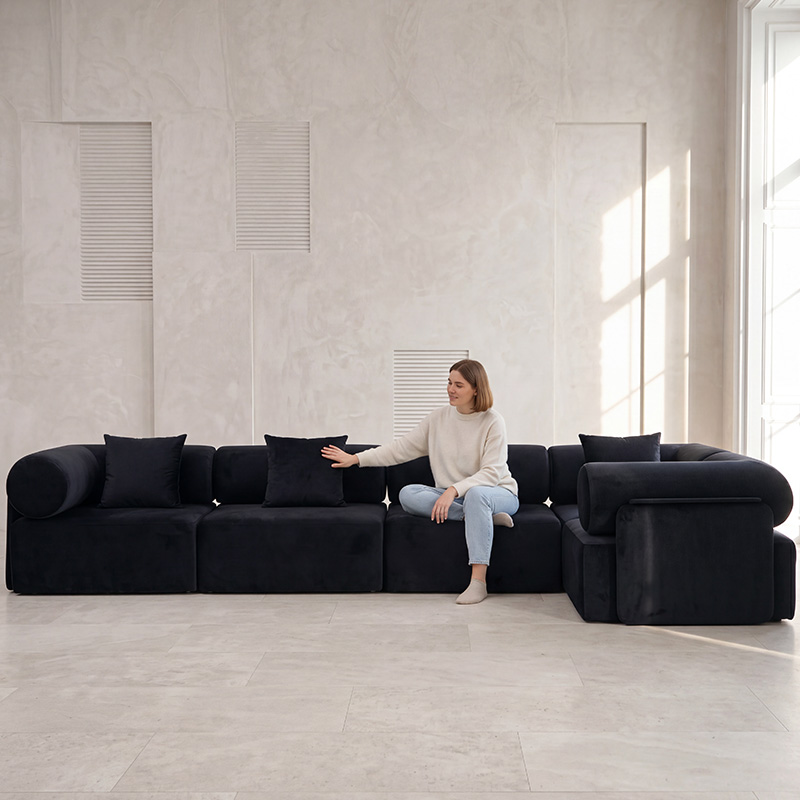
Vacuum-Compressed Sponge Sofa Cloud-like Modular U-shaped Multifunctional Light Luxury Frameless Compression Sofa Bed View More
-
-
-
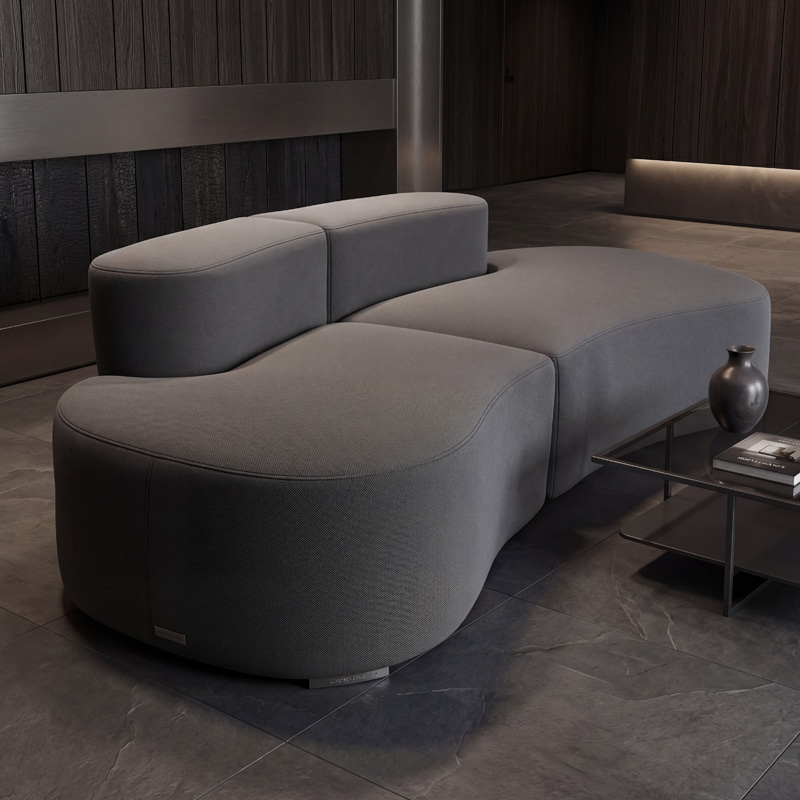
Vacuum-Compressed Sponge Sofa Dark blue teddy bear velvet light luxury modern modular sofa View More
-


Contact Information
-
 Zhejiang Base: No. 791 Zhangxin North Road, Xiaolin Industrial Park, Cixi City, Ningbo, China
-
Jiangxi Base: Chihu Industrial Park, Jiujiang County, Jiujiang City, Jiangxi Province, China
-
 +86-137-3611-4073
-
 1520942191@qq.com
Quick Link
Copyright © Cixi Tiansheng Sponge Products Co., Ltd. All Rights Reserved
OEM/ODM Polyurethane Foam Sponge Manufacturers
